Oil remains one of the costliest ways to heat a home in Quebec, and it is the one the province has spent years encouraging people to leave behind. If you are looking at an aging oil furnace and wondering whether a heat pump can take its place, the short answer is yes. The longer answer is that a conversion touches more of the house than a like-for-like furnace replacement does. Knowing what is involved before you start is what keeps the project predictable.
Why are so many Quebec homes leaving oil behind?
The grid and the running costs point the same way. Quebec generates its electricity almost entirely from hydro and wind, which keeps the price per kilowatt-hour among the lowest in Canada and the emissions among the lowest in the world. Moving a house off oil also removes a set of obligations you stop thinking about only once they are gone: deliveries to schedule, a tank to monitor and insure, combustion in the basement, a flue, and the carbon monoxide risk that comes with burning fuel indoors. Our guide to converting from oil or gas to electric heating covers the emissions and cost side in more detail, and the most economical method of home heating compares the options directly.
That said, most people do not call us because of the grid. They call because the furnace is near the end of its life, or because it has already failed. A conversion planned in advance is a very different project from one done in an emergency in January, when the choice narrows to whatever can be installed fastest. If your oil furnace is getting on, the time to look at the options is before it decides for you. Our oil furnace replacement page sets out how we approach the work.
Does a heat pump really replace the furnace, or only help it?
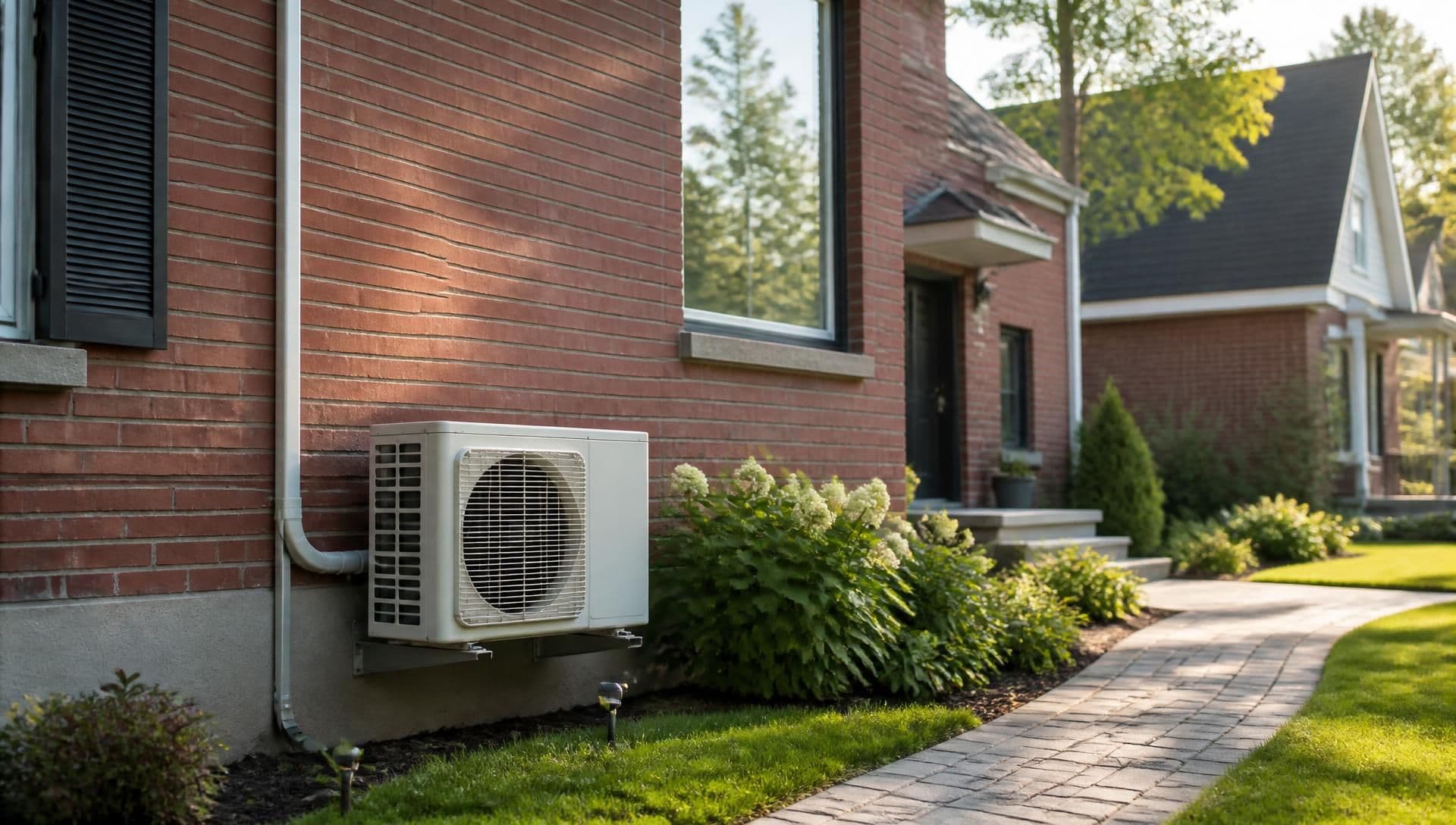
It can carry the whole heating load, provided it is chosen for our climate. Heat pumps certified for cold climates keep producing heat well below the temperatures most people assume they quit at, which covers the large majority of a Quebec winter. What changes as it gets colder is capacity rather than whether the unit runs, so a plan for the coldest hours is part of every properly designed conversion. In an all-electric conversion, that backup is usually electric resistance heat built into the indoor unit, which takes over only at the bottom of the range.
The alternative is to keep a fuel furnace and run the two together, which is what bi-energy does. That suits homes that already have a furnace worth keeping, and it comes with its own rate and equipment requirements. If your intention is to be finished with oil altogether, the all-electric route is the one that gets you there. Either way the sizing comes from a heat load calculation for your specific house, not a rule of thumb per square foot. Our central heat pump buyer’s guide explains how that calculation works and what a central heat pump installation includes.
Will the electrical panel handle it?
This is the step conversions most often get caught on. An oil furnace draws very little electricity, essentially just a burner and a blower, so the panel in an oil-heated house was never asked to do much. A heat pump with electric backup heat is a considerably larger electrical load, and in an older home the existing service is not always sized for it. Whether yours needs upgrading has to be established at the assessment stage, before any equipment is ordered, because it affects both the schedule and the scope of the work.
If an upgrade is needed, it is a planned, permitted piece of work carried out by a licensed electrician, and it is worth treating as part of the conversion rather than a surprise attached to it. It also tends to be a good moment to deal with anything else the panel has been putting off. Available grants and subsidies and financing both apply to the project as a whole, which is worth knowing before you decide how far to take the work.
What happens to the oil tank?
It has to be drained, removed and disposed of properly. This is not optional and it is not a do-it-yourself job. Tanks hold residual oil and sludge long after the last delivery, and disposal is regulated. If the tank has leaked, the soil underneath becomes part of the work, and that is a situation you want discovered and resolved on your own schedule rather than during a sale. Buyers, inspectors and insurers all ask about former oil tanks, and handling it at the time of the conversion is considerably simpler than handling it later.
Removing the furnace also frees up the chimney, but check what else is venting into it before anything gets capped. In many oil-heated homes the domestic hot water is oil-fired too. If that is your situation, it is worth deciding about the water heater in the same project, because keeping a tank, a delivery contract and an annual service call alive for one remaining appliance undoes much of what the conversion was meant to achieve.
What financial help is available?
LogisVert, from Hydro-Québec, is the program that matters most right now. It supports efficient heat pumps and is substantial enough to change which option makes the most sense for a given house. Be careful with older advice you may come across: Chauffez vert, the program that specifically funded conversions away from oil and propane, ended on 31 March 2026, and the Canada Greener Homes Grant closed in February 2024. Plenty of articles still recommend both.
What you actually qualify for depends on the equipment, the house and the scope of the work, so it is worth confirming before you commit to a configuration rather than after. Our guide to government HVAC grants in Quebec explains what is live and how the applications work, and we confirm eligibility as part of the quote.
What changes day to day once it is done?
The routine gets simpler, and you gain something the furnace never gave you. There are no more deliveries to schedule, no tank level to watch, and no combustion in the basement. The change most people notice first, though, is that the same equipment now cools the house in summer. An oil furnace only ever worked half the year, and a heat pump earns its place in both seasons.
Maintenance changes shape rather than disappearing. We recommend two visits a year, one before the cooling season and one before the heating season, which is what keeps the efficiency you paid for and protects the manufacturer’s warranty. What normal maintenance includes sets out what each visit covers.
Talk it through with us
No two oil conversions are the same, because the panel, the tank and the age of the house all pull the answer in different directions. If you are weighing one up, book an assessment and we will tell you what your house actually needs, what the work involves and what it will cost before you commit to anything. We work across Montreal and Laval, and we will tell you plainly if the timing or the configuration you had in mind is not the right one.