If you still heat with oil or gas, the case for converting is stronger in Quebec than almost anywhere. The province generates about 94% of its electricity from hydro and another 5% from wind, which puts it over 99% renewable with one of the lowest-emitting grids in the world, and helps keep the price per kilowatt-hour among the lowest in Canada. Clean and cheap at once is an unusual combination, and it is why most homes here already run on electricity.
What the switch actually saves. The emissions difference is the headline. Moving a home off oil and onto electricity cuts carbon dioxide by roughly 5,000 kg a year; moving off natural gas saves in the order of 3,500 kg. The exact figure depends on the size of the house, its insulation and how hard the old system was working, so read these as the scale of the change. The rest is quieter but adds up: no fuel deliveries to schedule, no tank to insure or eventually remove, no combustion in the basement and so no flue and no carbon monoxide risk from the heating system.
What replaces it, and how the three options differ. Electric heating is not one thing. Resistance heating turns electricity straight into heat through baseboards, radiant floors, hydronic boilers or an electric furnace: cheapest to install, most expensive to run. A heat pump moves heat rather than making it, pulling warmth from the outside air, which is why it delivers several units of heat per unit of electricity and costs far less to operate. Geothermal does the same from the ground instead of the air, holding its output through the coldest weeks: the largest investment and the lowest running cost of the three. Our comparison of the most economical way to heat a home puts numbers against them. If you are choosing between them for the first time, five questions narrow it down quickly, and our guide to choosing an electric furnace covers the resistance option.
Check the electrical panel before anything else. This is the step conversions get caught on. Electric heat draws considerably more current than an oil or gas furnace, whose electrical load is little more than a blower and controls. Plenty of older Quebec homes still run a 100-amp service, and a full conversion often needs 200. That is not a reason to abandon the project, but it is a real line in the budget and it has to be established before anything is ordered, not after. It is the first thing our specialists look at on a conversion visit.
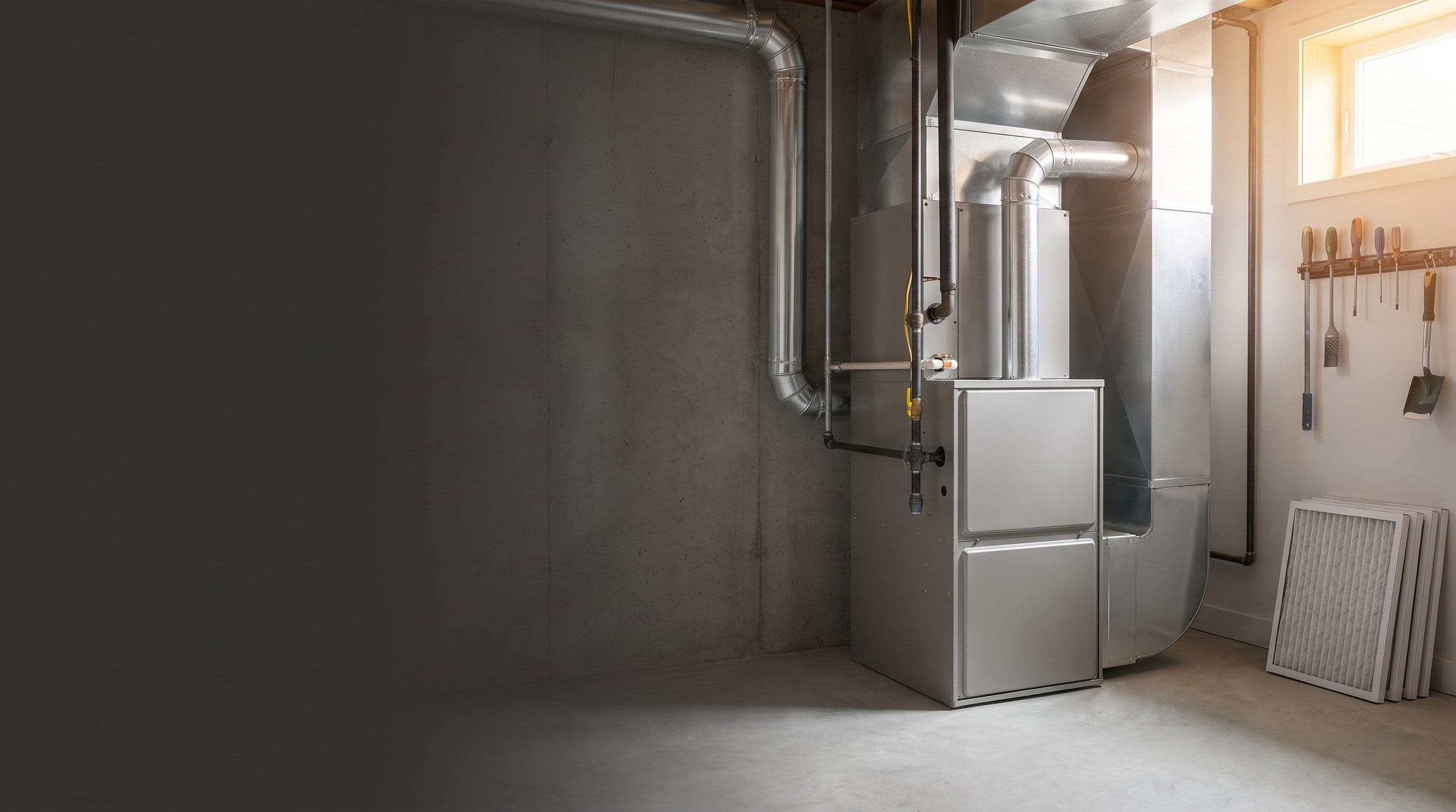
If you are coming off oil, plan for the tank. An oil furnace replacement involves more than swapping the appliance. The tank has to be drained, removed and disposed of properly, and if it has leaked, the soil underneath becomes part of the job. Handling it correctly at the time of the conversion is much cheaper than discovering it later, particularly when you sell.
What rebates apply. LogisVert, from Hydro-Québec, is the live program for efficient heat pumps and it is generous enough to change which option makes sense. Be careful with older advice: Chauffez vert, which specifically funded conversions away from oil and propane, ended on 31 March 2026, and the Canada Greener Homes Grant closed in February 2024. Our guide to government HVAC grants in Quebec sets out what is actually available now.
A conversion is a bigger project than a like-for-like replacement, and the right answer depends on your ductwork, your panel, your lot and how long you plan to stay. Book an assessment and we will tell you what your house needs and what it will cost before you commit to anything.